Recovery Time After Wisdom Tooth Extraction
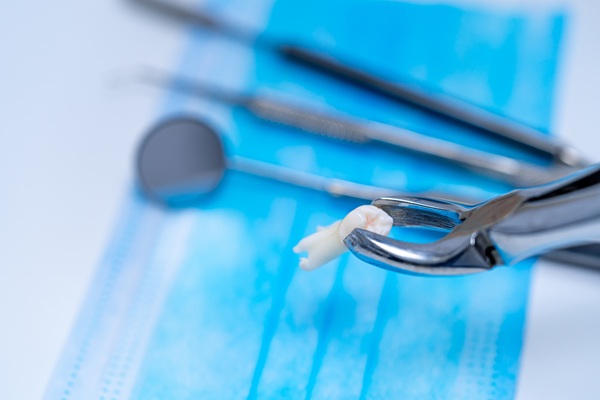
A is a procedure done to remove the last set of molars to emerge in the mouth. The pain, discomfort and swelling that patients experience after the procedure is part of the healing and recovery process. One question many patients ask is how long recovery takes, and this article answers that question and what recovery entails.
The tooth removal process
Wisdom teeth, also called the third molars, are the last molars to erupt. These teeth are not present in everyone; neither are they vital for a healthy, beautiful smile. However, they may become problematic if they erupt wrongly.
When these molars emerge, often between ages 16 and 20, there may not be enough space on the jaw for them to come out fully. Therefore, they may erupt at an angle, crowding the mouth and may sometimes not erupt completely. This can lead to oral health issues such as pain and infection. Most wisdom tooth removal requires a type of surgery. After the procedure, recovery starts.
Recovery after extraction
After undergoing wisdom tooth extraction, patients will likely experience pain and swelling. Slight bleeding may also occur. As healing progresses, patients must be careful not to disturb the healing gums or dislodge the blood clot. It is better to avoid solid foods, alcohol, coffee, soda or hot beverages for a few days following the procedure. Brushing is also not an option on the first day of recovery.
Normal wisdom teeth recovery time is between three to four days, although it can take up to a week. The duration of recovery depends mostly on the severity of tooth impaction and angle of the eruption. Patients can take different measures to make the recovery period easier:
- Adequate rest is important, but everyday activities can usually resume after a day or two. Strenuous activities that may affect the mouth should be avoided for longer.
- Pain relievers prescribed by the dentist can help to alleviate the pain.
- To stop swelling, placing ice over the jaw can help. The cold reduces discomfort and inflammation.
The dentist will provide instructions on how to properly care for the oral cavity throughout the recovery period. The patient may be told not to brush, floss, spit or rinse their mouth for at least 24 hours. After that, brushing should be done gently. Rinsing the mouth with salt water regularly can help to clean the mouth and prevent infection. Throughout recovery, a diet of soft foods, including apple sauce, yogurt and cottage cheese is recommended. Patients can start with the soft food after surgery and slowly progress to semi-soft food as healing continues.
The Buffalo Prairie Dental team is here to help
After wisdom tooth extraction, the recovery period may last for several days, and sometimes swelling and discomfort may continue for a week or more. If you notice strange symptoms such as severe pain, fever or pus discharge, contact our Quincy office as soon as possible. Although complications like infections are rare, they may occur and typically require prompt treatment.
Request an appointment here: https://www.buffaloprairiedental.com or call Buffalo Prairie Dental at (217) 334-4355 for an appointment in our Quincy office.
Check out what others are saying about our dental services on Yelp: .
Related Posts
If you have recently lost a tooth, it is best to start considering a single tooth implant or other options for the replacement and restoration of your smile. While many patients think that a dental bridge is their best option, there are several reasons that dentists recommend a tooth implant instead. Here are some of…
A dental crown and a bridge both restore smiles, but they solve different problems and follow different procedures. Many patients ask which option is best when a tooth breaks, cracks, or goes missing. Typically, a general, cosmetic, or family dentist would repair a tooth with a crown but replace a missing tooth with a bridge.…
All-on-4 dental implants offer a streamlined alternative for patients seeking a full-arch tooth replacement. This approach uses just four implants per arch to support a complete set of prosthetic teeth, delivering both functional and aesthetic improvements. Patients exploring this solution should understand what sets it apart from traditional options and what to expect during and…
Root canal retreatment can prevent infection, pain, or swelling from compromising oral health. A root canal saves a tooth by removing inflamed or infected pulp and sealing internal spaces, but certain situations call for retreatment to restore stability. Recognizing the signs that this treatment may be urgently necessary allows a dental provider to act quickly…